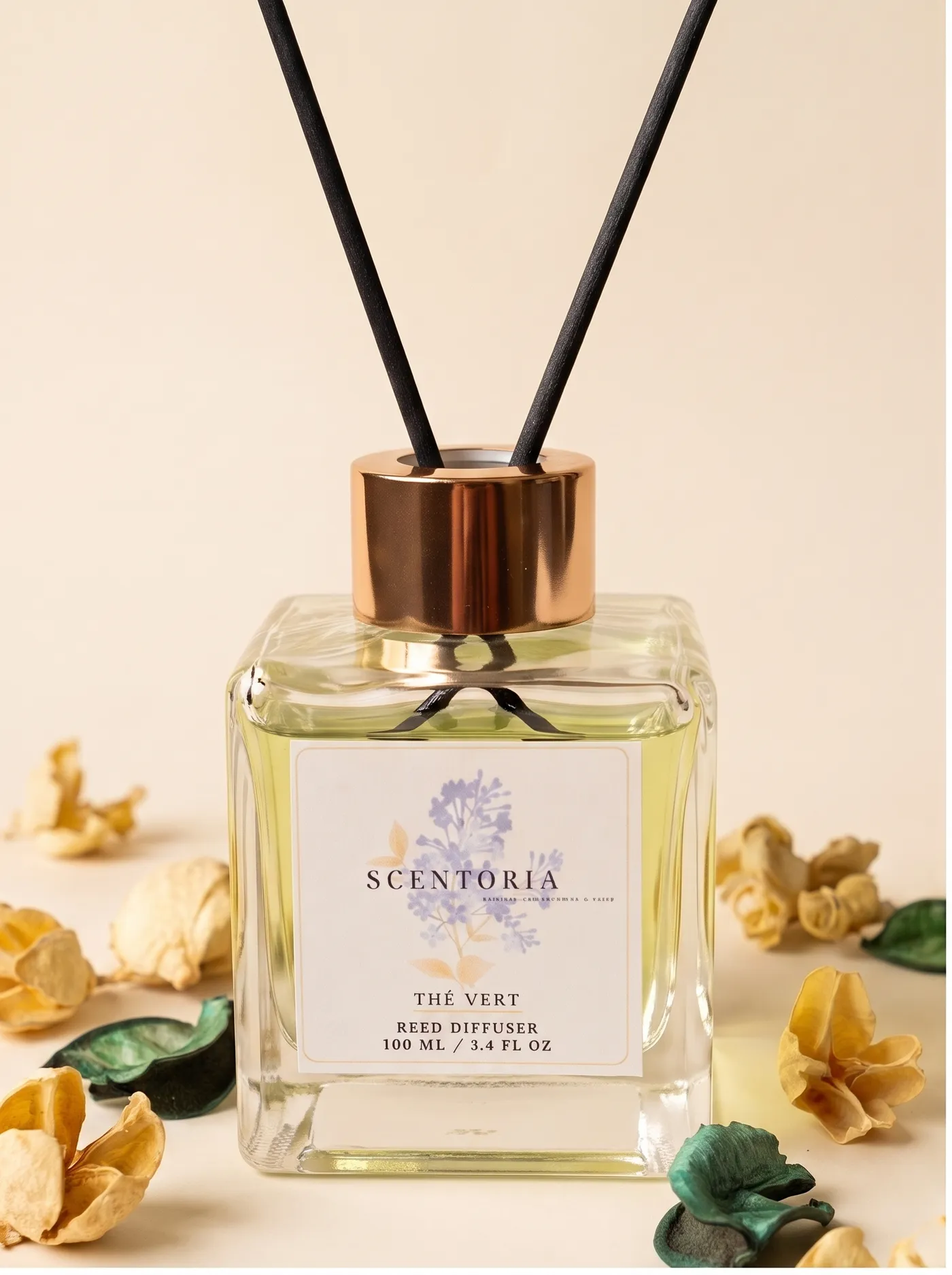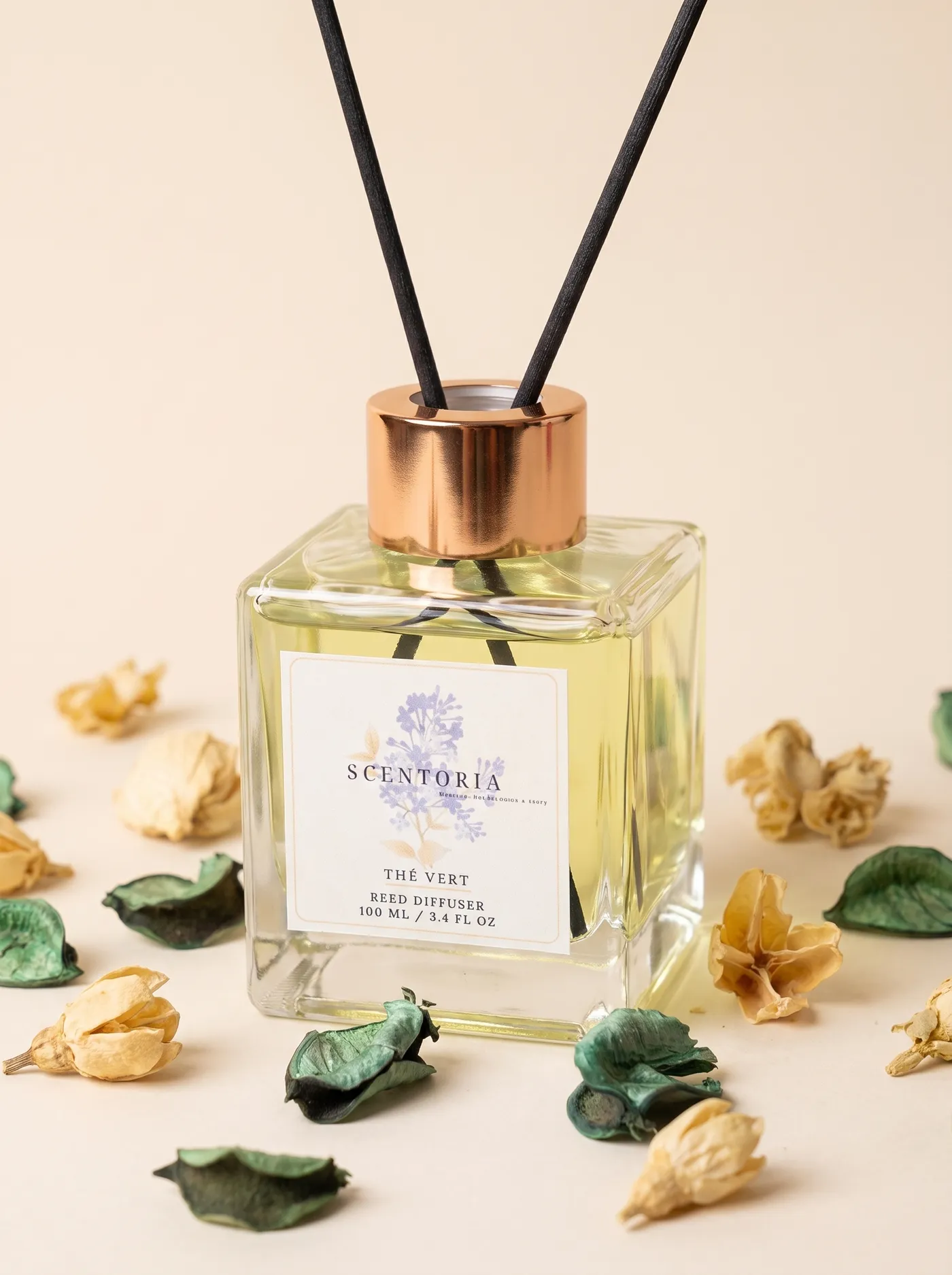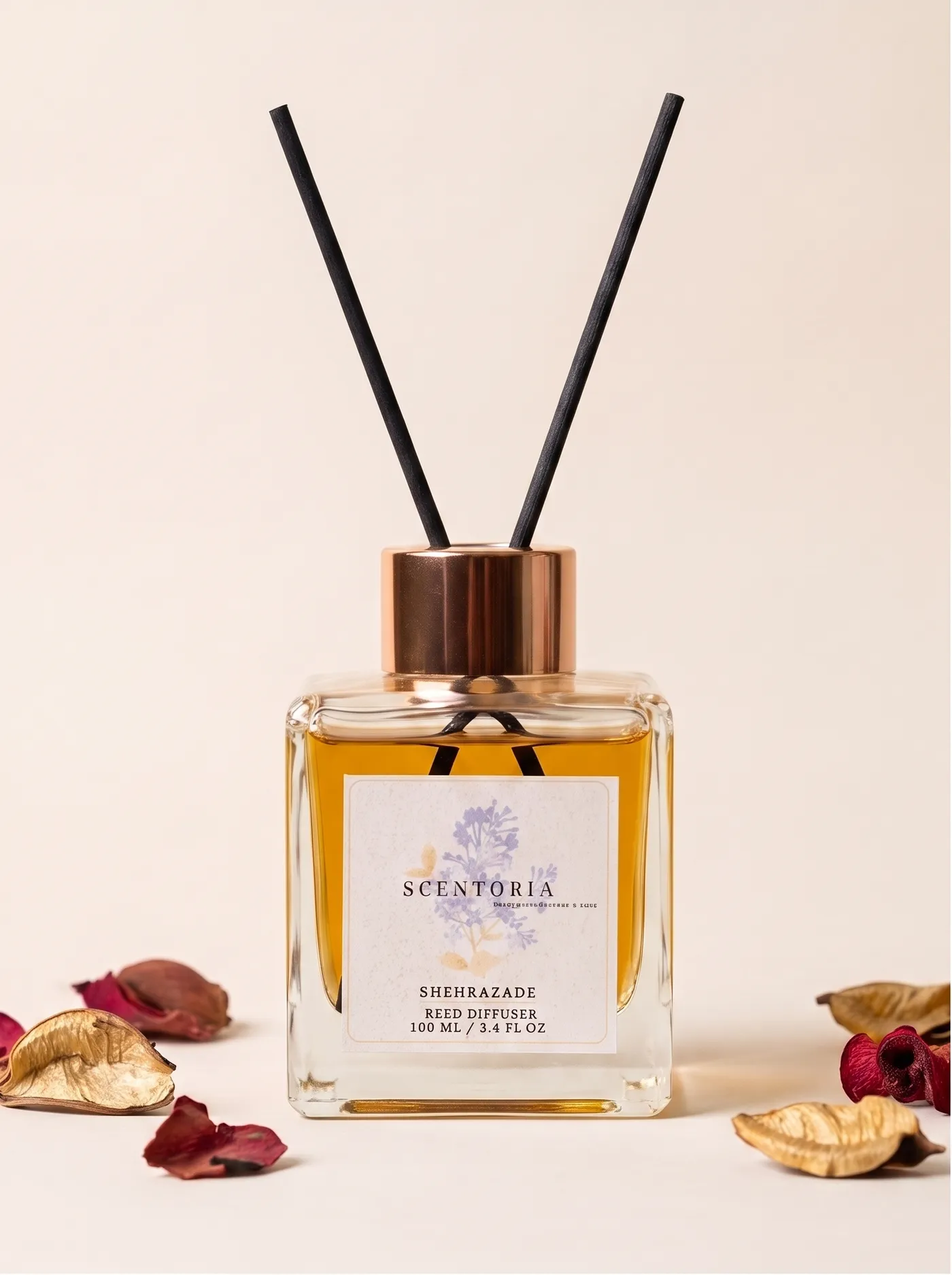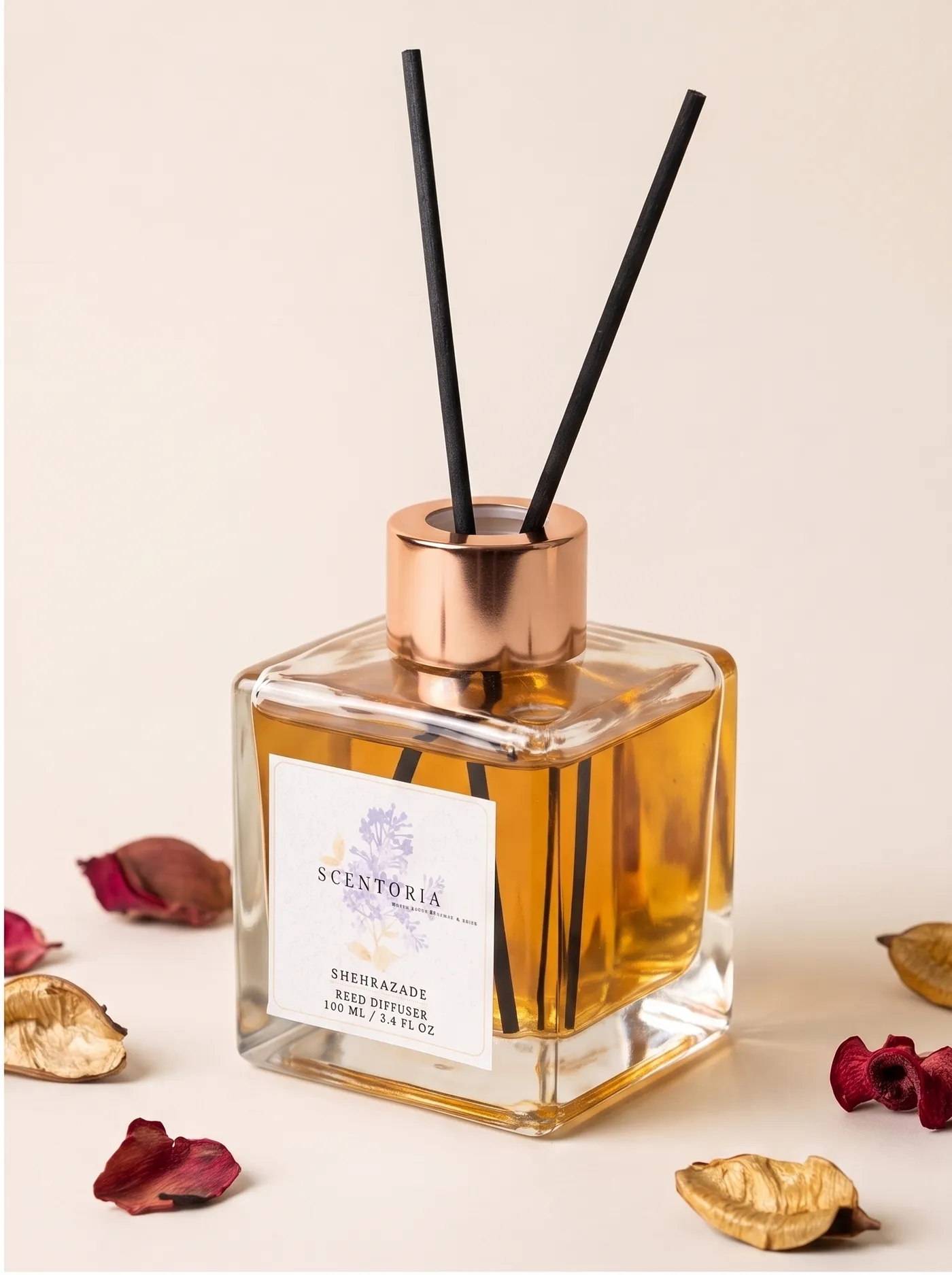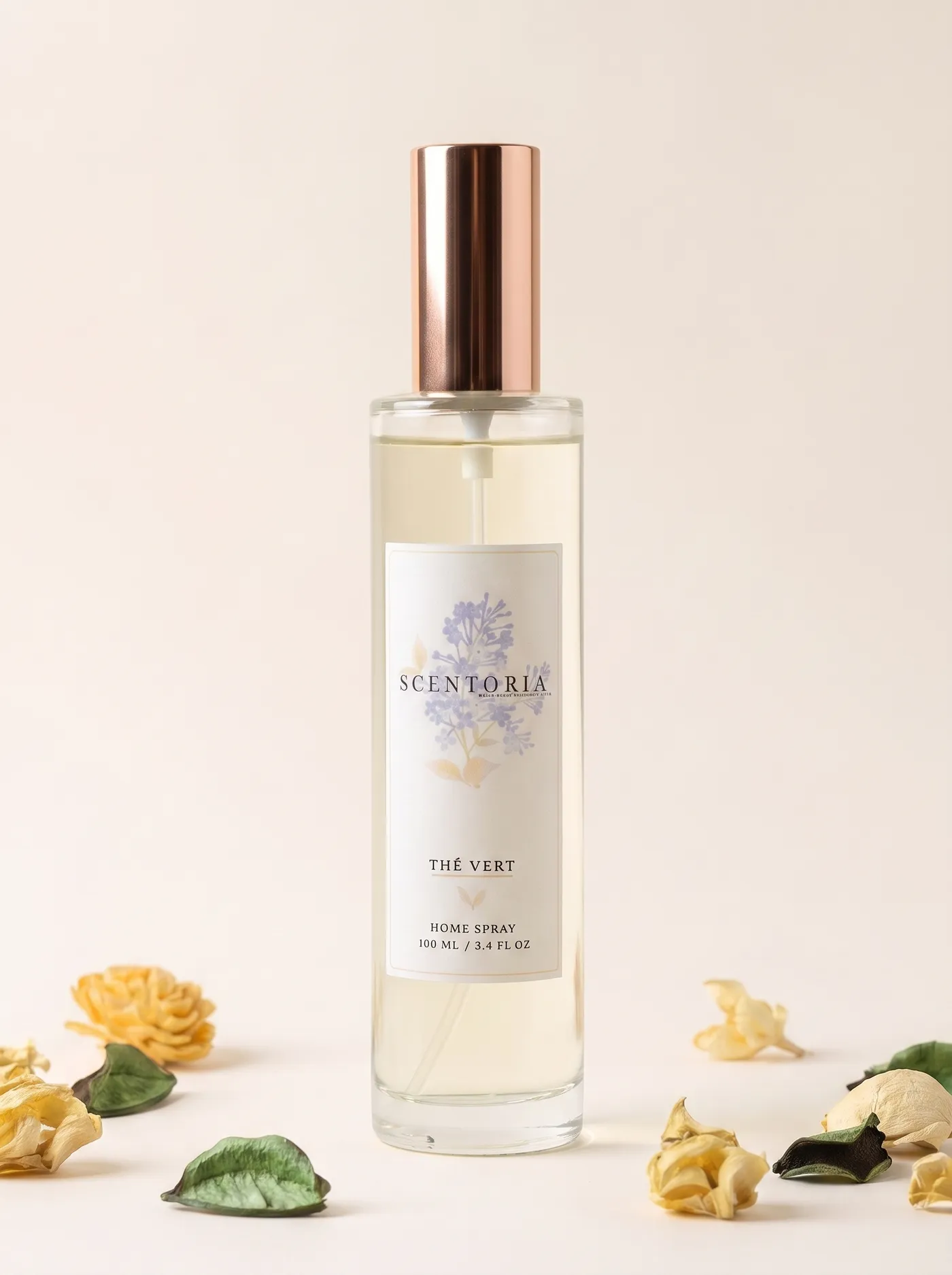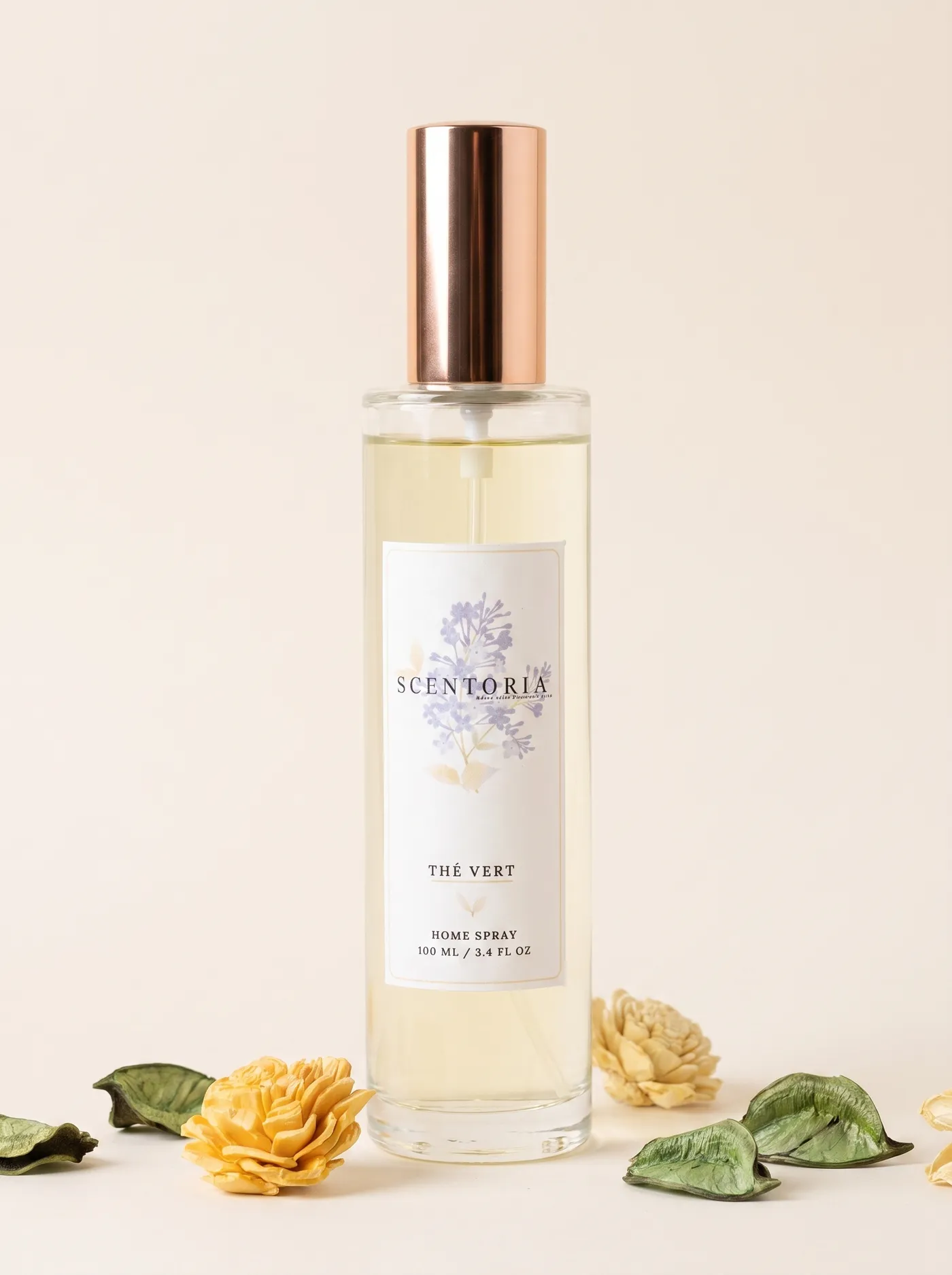
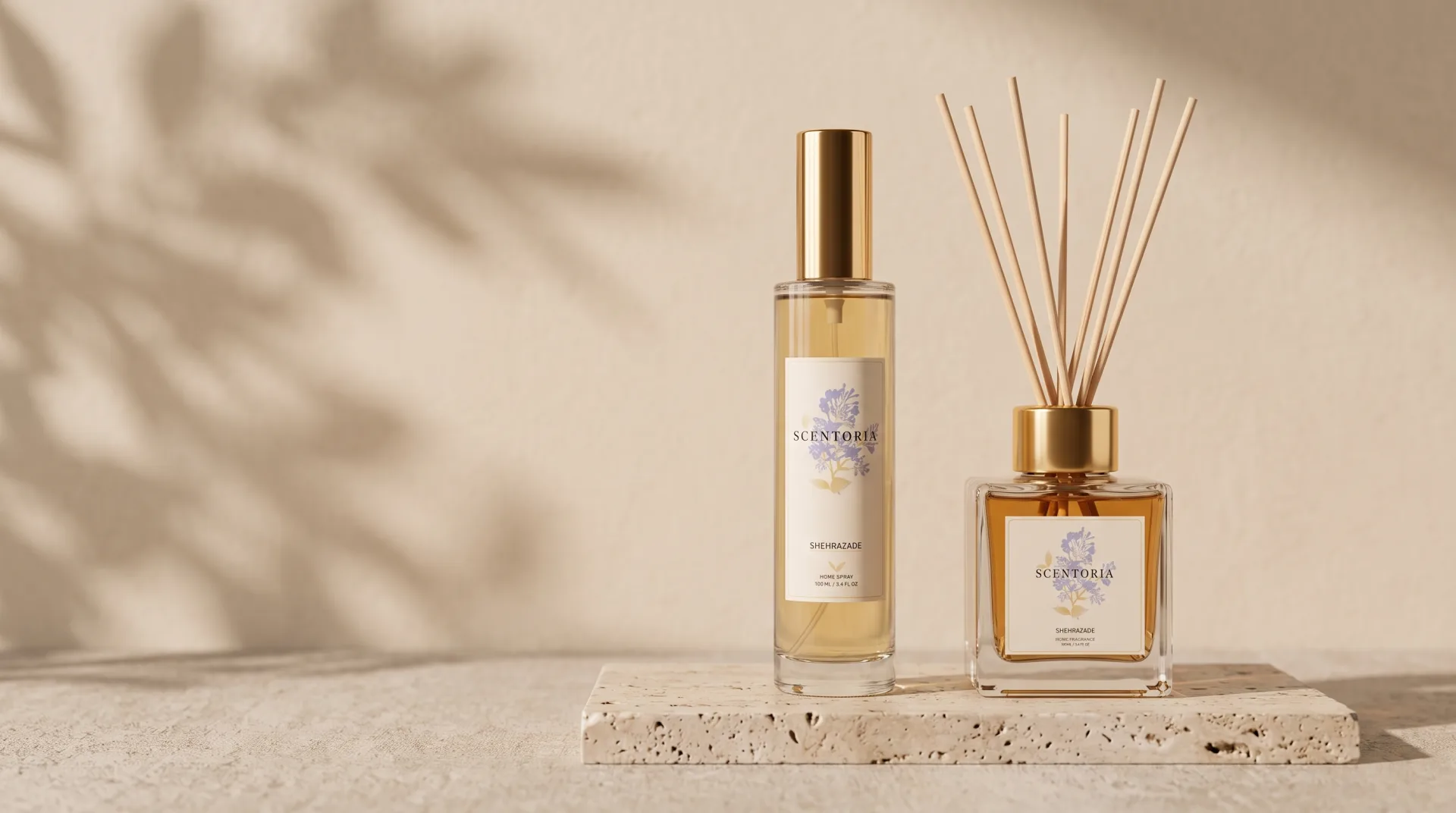
Just like you wouldn't wear the same perfume to the gym and a dinner party, your home shouldn't smell the same in every room. Scent layering is the secret to a sophisticated, multi-dimensional atmosphere.
What is Scent Layering?
Scent layering means using different (but complementary) fragrances in different spaces to create a cohesive sensory journey through your home.
The Rules
1. Stay in the Same Family (Usually)
If your living room leans woody, your hallway should lean woody or warm—not suddenly citrus. Think of it like decorating: cohesion matters.
2. Use Intensity Wisely
- Public spaces (living room, entryway): Bold, statement scents
- Private spaces (bedroom, bathroom): Softer, more intimate scents
3. Let Rooms Breathe
You don't need a scent in every room. Sometimes the best one is fresh air.
Our Favorite Layering Combinations
The Spa Home
- Bathroom: Thé Vert diffuser (bergamot, green tea, pale cedar)
- Bedroom: Thé Vert diffuser, kept low
- Living room: Shehrazade diffuser as a soft background
The Warm Evening Home
- Kitchen/dining: Thé Vert room spray, before and after cooking
- Living room: Shehrazade diffuser (amber resin, damask rose, sandalwood)
- Bedroom: Shehrazade room spray, used sparingly
The Minimal Purist
Pick one composition and keep it everywhere. Consistency reads as considered. Thé Vert carries best across a whole home; Shehrazade suits evenings and reception rooms.
Pro Tips from Spas
High-end spas use scent layering to guide guests through experiences. You can do the same:
- Entry: Light and welcoming — something fresh and green
- Treatment rooms: Deep relaxation — resin and wood
- Exit: Clear and lifting — tea leaf and citrus peel
Explore the collection: warm compositions (Shehrazade) and fresh ones (Thé Vert), each as a room spray or a reed diffuser